How to Choose the Right Dune Buggy for a Dubai Desert Trip
Choosing a dune buggy in Dubai is less about picking the loudest machine and more about matching the vehicle, route and safeguards to the kind of day you want. The desert can feel open and simple from a distance, but terrain, heat, group pace and driving experience all shape the outing. A clear decision process helps narrow the options before you commit.
Start with the kind of drive you want
Begin by deciding what the ride should feel like. Some visitors want a short, lively burst over nearby dunes. Others prefer a longer route with stops for views, photos and a slower pace. The word dune buggy Dubai often covers several styles of off-road driving, so the first choice is not a model name but the overall experience.
Think about whether you want to drive yourself or ride as a passenger. If you plan to drive, be honest about your confidence on loose surfaces. Sand behaves differently from tarmac, and steering feels less precise when the surface shifts under the tyres. A scenic route with gentle turns may suit a first timer better than steep dunes and sharp drops. If the aim is a sunset experience, ask how the timing affects the route and whether the pace slows near the end of the day.
Also consider who is coming. Children, older passengers and people sensitive to heat or motion may need a calmer ride. A bumpy outing that sounds exciting in planning can feel tiring once dust, bumps and sun are combined.
Compare dune buggy types by use, not by appearance
Once the style of trip is clear, compare dune buggy types in practical terms. Two vehicles may look similar yet feel very different once they reach the dunes. Pay attention to seating, power, suspension, braking and how easy the controls are to understand.
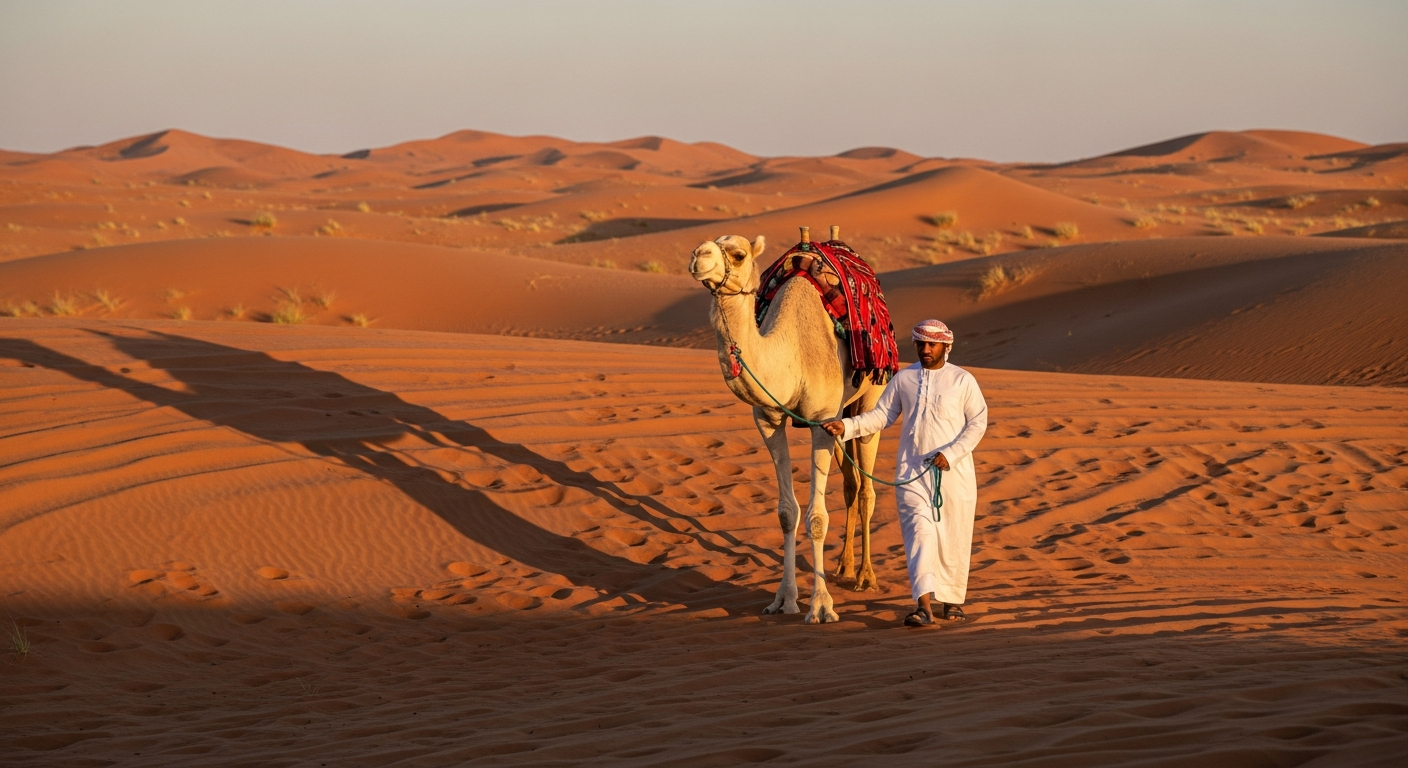
A single seat buggy puts the driver in charge of the whole ride. It can feel focused and agile, but there is no one to share the driving. A two seat option suits pairs who want to travel together, though passengers should check space, legroom and how much protection the seating gives. Family groups may need more than one vehicle, which changes the pace because everyone has to regroup.
Suspension matters as much as engine size. Softer, well matched suspension can make uneven sand less punishing, while a firmer setup may feel rougher over ridges. Power helps on climbs, but too much power in the hands of an unsure driver can create problems. The right buggy is usually the one that feels controllable, not simply the fastest on paper.
Before deciding, ask what kind of desert terrain the route includes. Open dunes, narrow tracks, rocky edges and soft sand each place different demands on the vehicle. A buggy chosen only for flat ground may struggle when the route changes.
Check safety gear and the condition of the vehicle
Safety should be checked before excitement. Ask what safety gear is supplied and make sure it fits properly. A helmet that moves around gives poor protection, and loose straps can be distracting. Seat belts, gloves and eye protection can all matter on a dusty route. Clothing is part of the setup too. Lightweight layers, closed shoes and sun protection are more practical than loose scarves or sandals.
The buggy itself should look cared for. Tyres should have clear tread and no obvious damage. Seats should feel secure. Steering should not feel loose before departure. Brakes should be tested in a controlled area by the operator, not by a visitor pushing the vehicle hard on a public road. If something feels wrong, raise it before the ride begins. A small issue noticed early is far easier to deal with than one that appears far from the start point.
Do not try to repair mechanical or electrical faults yourself. Problems with brakes, wiring, fuel systems or strange noises are best left to a qualified professional. During the booking stage, the sensible task is to ask clear questions and listen for clear answers.
When comparing operators, alqudratours.com can be used as one reference point while you look at what matters to you: the vehicle type, the route, the safety gear and the way details are explained before departure. A good choice starts with information you can understand, not vague promises.
Review the booking process before paying
The booking process is where many details can be settled. Read what is included and what is not. Check the meeting point, the start time, the expected duration and whether transport to the desert is part of the arrangement. If the pickup is separate, leave enough time for traffic and allow a buffer for heat and delays.

Ask who is eligible to drive and what documents are needed. Requirements can vary, and assumptions can spoil the day. If there is a minimum age or a licence condition, confirm it before you travel. Also ask about passenger rules, especially for children. It is better to resolve these points in advance than at the meeting point.
Cancellation and change rules deserve a careful read as well. Desert plans can be affected by weather, road conditions or personal schedules. Clear terms make it easier to understand what happens if plans shift. Keep written confirmations so the details are easy to check later.
Group size can change the feel of the trip. A smaller group often means more space and a more flexible pace. A larger group may feel lively, but it can also mean longer stops while everyone is gathered. If you want a quiet ride or a sunset experience with time for photos, ask how the group is managed and whether vehicles travel at a shared pace.
Match tour duration to comfort and conditions
Tour duration is another practical filter. A short ride can be ideal for people who want a taste of the desert without spending hours in the sun. A longer outing may suit those who enjoy travel time, views and stops. There is no single best length. The right duration depends on heat tolerance, passengers, the route and how much time you want to spend preparing and returning.
Midday heat can make even a short ride feel demanding. Late afternoon often appeals because the light changes and temperatures may be kinder, though demand can be higher. For a sunset experience, check how long the drive lasts and whether there is time to stop safely before dark. Desert light fades quickly, and travelling fast over uneven ground as visibility drops is not a good trade.
Driving techniques matter more than many first timers expect. On sand, smooth inputs work better than sudden moves. Steering sharply, braking hard or accelerating aggressively can unsettle the buggy. Keep a steady line where possible, look ahead rather than at the ground directly in front, and slow down before a turn instead of trying to correct halfway through. Follow the route set by the operator and avoid wandering off it, since unfamiliar ground can hide dips, rocks or soft patches.
If the route includes steep dunes, listen closely to the briefing and follow the pace set for the group. Climbing, descending and crossing slopes all require judgement. Passengers should avoid leaning sharply, standing up or distracting the driver. Everyone benefits when the buggy is treated as a vehicle that needs respect, not a toy.
Ask direct questions, then make the final choice
Before booking, write down the questions that affect your decision. What type of buggy will be used? Is the route suited to beginners? What safety gear is provided? How many people share the outing? How long is the drive, and what happens if conditions change? Clear answers help compare options fairly.
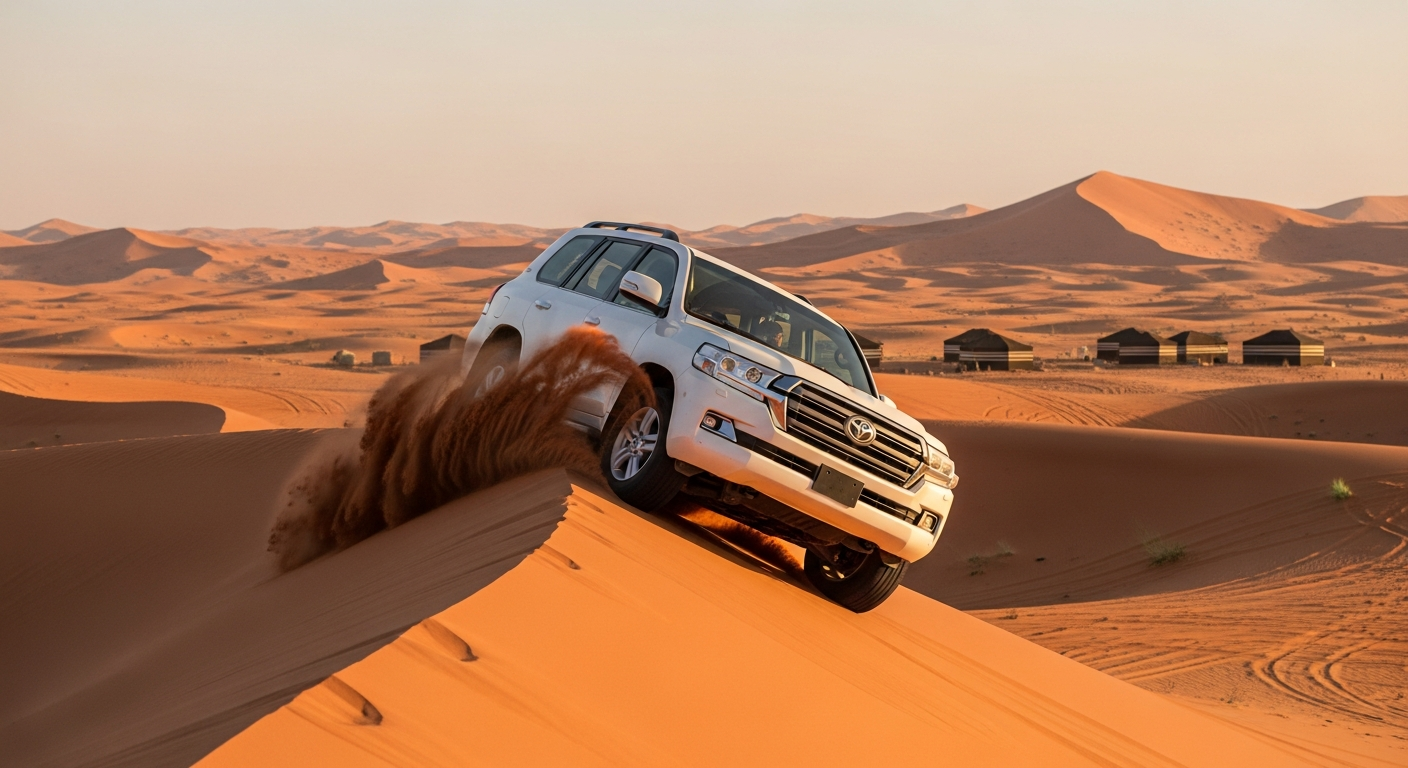
A reputable choice will not rush past practical details. If an answer feels vague, ask again in a different way. Pay attention to whether the route, timing and vehicle are described in terms you can picture. The aim is to avoid a mismatch between what you imagined and what actually happens.
For travellers browsing alqudratours.com, the final decision should still come back to fit. Choose the buggy that suits the passengers, the route and the level of comfort you want. Check the safety gear, understand the booking terms and pick a duration that leaves room for the heat and the return journey.
A dune buggy trip works best when the choice is made calmly. Start with the experience you want, compare vehicles by how they will be used, confirm the practical details and follow the guidance given on the day. That approach turns a broad search into a decision you can feel comfortable with before the engine starts.